

6
Hens are the backbone of any poultry setup. Whether you’re raising them for eggs, meat, or both, understanding how to care for hens properly will help you get the best results. This guide covers everything you need to know—from choosing hens to keeping them healthy and productive.
🧠 What Is a Hen?
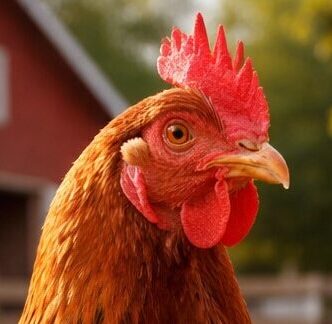
A hen is a female chicken, typically over one year old. Hens are primarily kept for:
- 🥚 Egg production
- 🐔 Breeding
- 🍗 Meat (in some cases)
Young female chickens (under one year) are called pullets.
🐣 Choosing the Right Hens
Not all hens are the same. Some breeds are excellent egg layers, while others are better for meat or dual-purpose.
🥚 Best Egg-Laying Hens
- Leghorn
- Rhode Island Red
- Australorp
- Sussex
🍗 Dual-Purpose Hens
- Plymouth Rock
- Orpington
- Wyandotte
💡 Choose breeds based on your goal: eggs, meat, or both.
🏡 Housing and Coop Setup


6
A good home is essential for healthy hens.
✅ Key requirements:
- Space: Avoid overcrowding (at least 3–4 hens per square meter)
- Ventilation: Fresh air without drafts
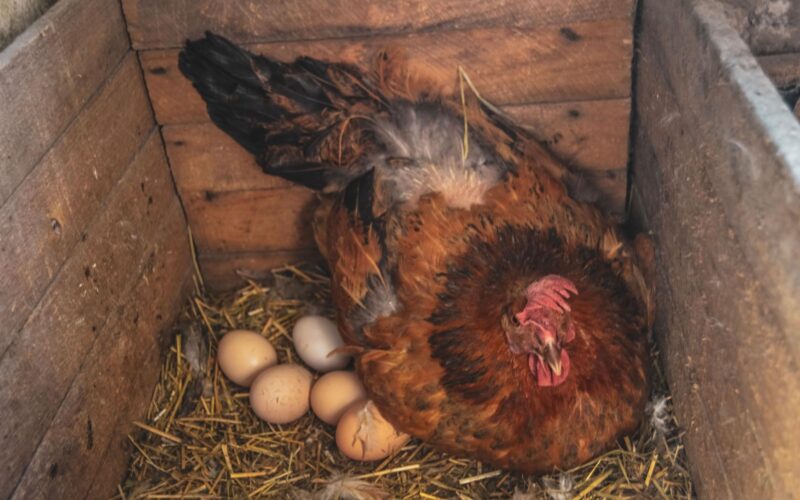
- Nesting boxes: 1 box per 3–4 hens
- Perches: For sleeping at night
- Clean bedding: Straw or wood shavings
🍽️ Feeding Your Hens
Proper nutrition is critical for egg production and overall health.
🥗 Diet basics:
- Layer feed (16–18% protein)
- Calcium (for strong eggshells)
- Clean water at all times
🥬 Extras:
- Vegetables and greens
- Kitchen scraps (in moderation)
🚫 Avoid moldy or spoiled food—it can make hens sick.
🥚 Egg Production Tips
If you want your hens to lay more eggs:
- Provide 14–16 hours of light daily
- Keep hens stress-free
- Maintain consistent feeding times
- Collect eggs regularly
🩺 Common Health Issues


7
Watch your hens closely for signs of illness.
⚠️ Common problems:
- Parasites (mites, lice)
- Respiratory infections
- Egg-laying issues
- Molting (natural feather loss)
👀 Signs to watch:
- Low energy
- Loss of appetite
- Drop in egg production
- Feather damage
🌿 Natural Hen Behaviors
Healthy hens show natural behaviors like:
- 🪶 Dust bathing (cleans feathers and removes parasites)
- 🌱 Scratching the ground for food
- 🐔 Social grouping (pecking order)
Encouraging these behaviors keeps hens happy and reduces stress.
🌡️ Caring for Hens in Different Seasons
☀️ Hot weather:
- Provide shade and cool water
- Ensure good airflow
❄️ Cold weather:
- Keep coop dry and insulated
- Avoid drafts
🧩 Final Thoughts
Raising hens successfully comes down to good care and consistency. When hens are:
- Well-fed 🍽️
- Comfortable 🏡
- Healthy 🩺
- Stress-free 🌿
They reward you with regular egg production and long-term productivity.
