
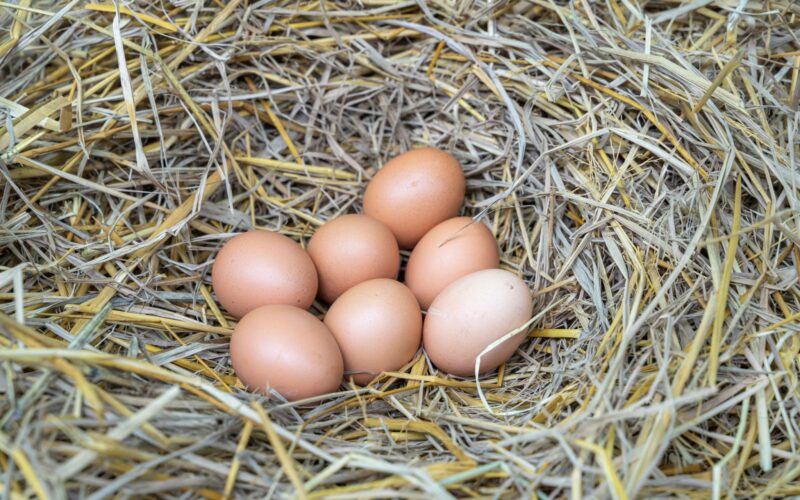
If your hens aren’t laying as many eggs as you expected, don’t worry—egg production is influenced by several factors, and most of them are within your control. With the right care, nutrition, and environment, you can significantly increase the number of eggs your chickens produce.
🧠 How Egg Production Works
Chickens naturally lay eggs based on:
- Daylight exposure
- Nutrition
- Age and breed
- Stress levels
Most hens lay best in their first 1–2 years, producing anywhere from 4–6 eggs per week depending on the breed.
🍽️ 1. Provide High-Quality Nutrition
A hen’s body needs the right nutrients to produce eggs consistently.
✅ What to feed:
- Layer feed (16–18% protein)
- Calcium (crushed oyster shells or limestone)
- Occasional greens (vegetables, grass)
🚫 Avoid:
- Low-protein diets
- Too many scraps
- Dirty or stale feed
💡 Tip: Always provide clean, fresh water—egg production drops quickly without it.
🌞 2. Increase Light Exposure
Hens need about 14–16 hours of light per day to lay consistently.
How to help:
- Let them free-range during the day
- Add artificial lighting in the coop (early morning or evening)
⚠️ Don’t suddenly increase light—do it gradually to avoid stress.
🏡 3. Improve Nesting Conditions


7
Chickens need a comfortable, safe place to lay eggs.
Best practices:
- 1 nesting box for every 3–4 hens
- Keep boxes clean and dry
- Use soft bedding (straw or wood shavings)
- Place boxes in a quiet, dim area
🐔 4. Reduce Stress in the Flock
Stress is one of the biggest reasons for low egg production.
Common stress triggers:
- Overcrowding
- Predators or loud noise
- Bullying or pecking
Solutions:
- Provide enough space
- Keep a consistent routine
- Protect the coop from predators
🌡️ 5. Manage Temperature
Extreme heat or cold can stop egg production.
In hot weather:
- Provide shade
- Ensure ventilation
- Offer cool water
In cold weather:
- Insulate the coop
- Keep bedding dry
- Avoid drafts
🐣 6. Choose the Right Breeds
Some chickens are naturally better layers.
High-producing breeds:
- Leghorn
- Rhode Island Red
- Sussex
- Australorp
⏳ 7. Know the Age Factor
- Peak laying: 6 months – 2 years
- After that: production gradually declines
💡 Older hens still lay, just less frequently.
🩺 8. Keep Chickens Healthy
Healthy chickens lay more eggs.
Regular care:
- Vaccination (where applicable)
- Parasite control (mites, worms)
- Clean coop regularly
