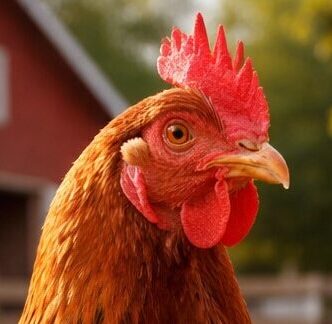
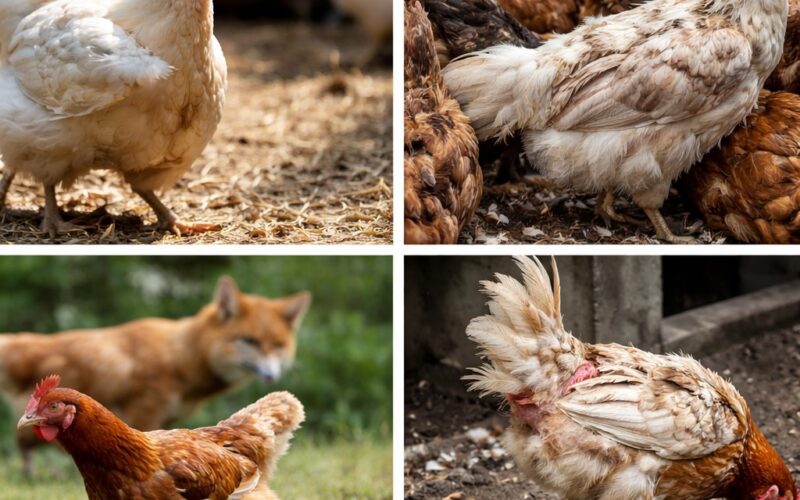
Stress isn’t just a human problem—chickens experience it too, and it can seriously affect their health, behavior, and egg production. Whether you’re raising a small backyard flock or managing a larger operation, understanding stress in chickens is key to keeping them productive and healthy.
🧠 What Is Stress in Chickens?
Stress in chickens refers to any condition that disrupts their normal physical or emotional state. When chickens are stressed, their bodies release hormones (like cortisol), which can weaken their immune system and reduce productivity over time.
⚠️ Common Causes of Stress
Chickens are sensitive animals, and even small changes can trigger stress. Some of the most common causes include:
🌡️ Environmental Stress
- Extreme heat or cold
- Poor ventilation in the coop
- Sudden weather changes
🏠 Housing Issues
- Overcrowding
- Dirty or wet bedding
- Lack of nesting boxes or perches
🍽️ Nutritional Problems
- Inconsistent feeding schedules
- Poor-quality feed
- Lack of clean water
🐔 Social Stress
- Introducing new birds
- Aggression or pecking order fights
- Bullying within the flock
🚨 External Threats
- Predator attacks (or even nearby threats)
- Loud noises (dogs, machinery, storms)
- Frequent human disturbance
👀 Signs of Stress in Chickens
Recognizing stress early can prevent serious problems. Watch out for:
- 🥚 Drop in egg production
- 🪶 Feather loss or excessive pecking
- 😴 Lethargy or reduced activity
- 🥵 Panting or spreading wings (heat stress)
- 🍽️ Loss of appetite
- 🐤 Isolation from the flock
🩺 Effects of Stress on Health
Chronic stress can have long-term consequences, including:
- Weakened immune system
- Increased risk of diseases
- Poor growth in young birds
- Reduced egg quality (thin shells, smaller eggs)
🌿 How to Reduce Stress in Chickens
Keeping your chickens calm and comfortable doesn’t have to be complicated. Here are practical steps you can take:
✅ Improve Living Conditions
- Ensure proper ventilation
- Provide enough space (avoid overcrowding)
- Keep bedding clean and dry
💧 Provide Constant Food & Water
- Fresh, clean water at all times
- Balanced, high-quality feed
🌳 Create a Comfortable Environment
- Provide shade during hot weather
- Add dust-bathing areas
- Ensure secure housing to protect from predators
🐣 Manage the Flock Carefully
- Introduce new birds gradually
- Monitor for bullying
- Maintain a stable routine
🌡️ Special Focus: Heat Stress
Heat stress is one of the biggest challenges, especially in warmer regions.
Signs:
- Panting
- Wings held away from the body
- Reduced movement
Solutions:
- Add shade and airflow
- Provide cool, clean water
- Offer electrolytes if needed
🧩 Final Thoughts
Stress in chickens is often overlooked, but it plays a huge role in their overall well-being. By paying attention to their environment, diet, and behavior, you can prevent stress before it becomes a serious problem.
Healthy, stress-free chickens are not only happier—but they also produce better eggs, grow stronger, and require fewer interventions.
